
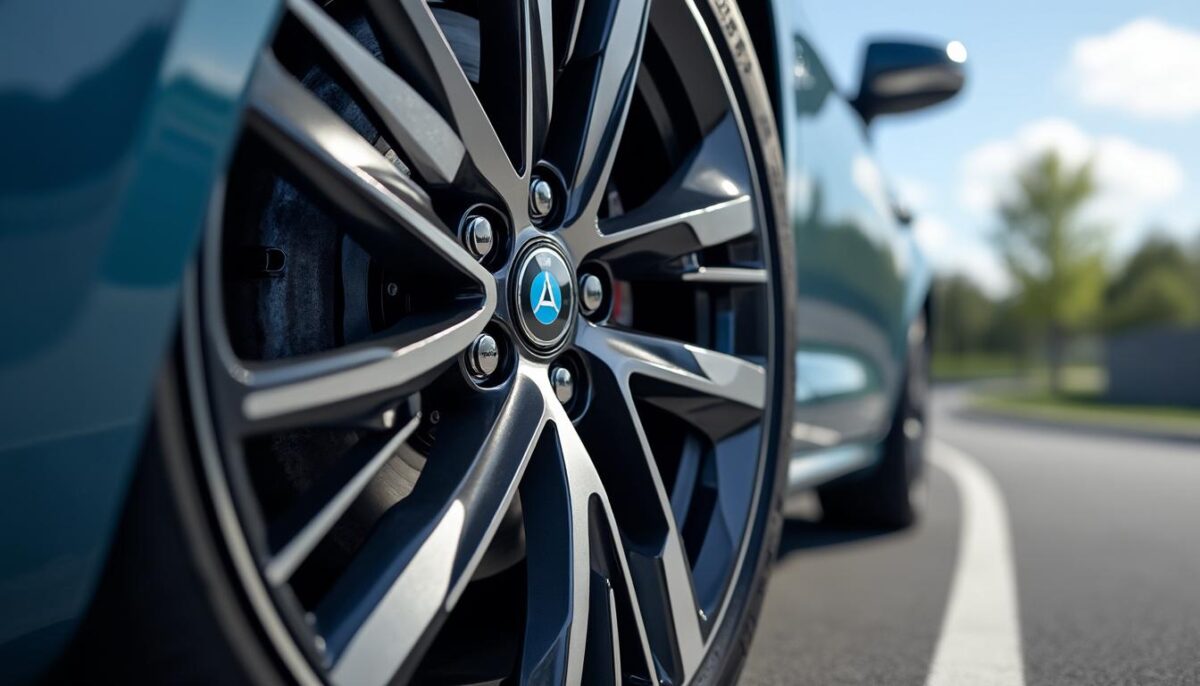
Vehicle maintenance: where to find the correct pressure without making a mistake
Hi, this is Nathan. To find the ideal tire pressure without making a mistake, always refer to the manufacturer’s sticker, often located inside the driver’s side door. This is the most reliable source, specific to your car. Regularly checking your tire pressure prevents serious risks associated with incorrect tire pressure, such as premature wear or reduced safety.
Tire pressure is a key element of car maintenance to ensure performance and safety. Frequent underinflation on the road can reduce tire life by 20% and significantly increase fuel consumption. Having an accurate tire pressure gauge at home or using one at a service station equipped with one is essential for proper tire inflation, always following the manufacturer’s recommendations.
ACTIONS TO TAKE NOW
- Locate the recommended tire pressure label in your car, usually on the driver’s door or in the owner’s manual.
- Check tire pressure when cold for a reliable measurement.
- Equip yourself with a precise pressure gauge, preferably digital, for easy monitoring.
- If the pressure is too low, use an air compressor to reinflate to the correct level.
- Also check the spare wheel, often forgotten but vital in case of emergency.
How to determine the correct tire pressure without making a mistake
To avoid making a mistake, it’s essential to consult the recommendations specific to your vehicle. This information isn’t arbitrary and varies depending on the model, load, and even the climate. The label inside the driver’s door is often overlooked, yet it clearly indicates the recommended pressure by the manufacturer.
If you can’t find this information, your car’s owner’s manual is the next best source. Some expert websites also provide comprehensive guides, but nothing replaces the manufacturer’s recommendations to avoid any doubt. For example, the recommended tire pressures for a city car are not the same as those for SUVs or commercial vehicles.
Common mistakes to avoid
A common reflex is to check tire pressure after driving. However, hot tires can distort the reading. Always wait until the tires are cold, ideally in the morning before setting off, to avoid apparent overinflation.
Another pitfall: inflating to the maximum pressure indicated on the tire sidewall. This number indicates the maximum pressure, not the pressure required for your car. For a car safety For optimal results, always follow the manufacturer’s instructions.
Essential tools for precise pressure control
To do it right, equip yourself with a good manometerDigital models with backlit displays greatly facilitate reading. For example, a pressure gauge calibrated to ANSI standards and with temperature compensation can guarantee accurate measurements even in extreme temperatures. There are also inflation guns with integrated pressure gauges for adjusting the pressure with a single movement.
In addition, an air compressor is essential for quick and precise inflation; it’s available at service stations or for purchase for home use. Sometimes, a repair kit can be useful for quickly sealing a small leak detected during the inspection.
Comparative table of common tire pressure gauges
| Pressure gauge type | Approximate accuracy | Benefits | Disadvantages |
|---|---|---|---|
| Analog | ±0.1 to 0.2 bar | Simple, robust, inexpensive | Manual reading, less convenient |
| Digital with LED screen | ±0.05 to 0.1 bar | Accurate, easy to read, temperature compensation | Requires batteries, higher cost |
| Inflation gun with integrated pressure gauge | ±0.1 bar | Combined use, quick | A bit bulky, more expensive |
Best practices for checking and adjusting pressure
Step 1: Prepare your equipment: pressure gauge, compressor or service station often equipped.
Step 2: Remove the valve cap and firmly place your pressure gauge.
Step 3: Read the pressure and adjust if necessary. Inflate or deflate to reach the value recommended on the label.
If the pressure is too low, immediate inflation is recommended to restore optimal road holding. If it is too high, gently release the air using the center of the valve. This control is key to limiting tire wear and improving performance. car safety.
Remember the spare tire
We often forget about the spare tire. However, an underinflated tire could put you in a difficult situation in the event of a flat. So, make checking it part of your vehicle maintenance routine, at least once a month.
Maintaining the correct pressure in all tires, including the spare, reduces risks and ensures better preparedness in the event of an incident. Most tire labels also specify a particular pressure for the spare tire.
Optimize lifespan and consumption with appropriate pressure
Respect the recommended pressure This not only helps with better grip but also with even wear. An underinflated tire wears faster on the edges, while an overinflated tire wears more in the center. This directly impacts the lifespan and cost-effectiveness of your car’s maintenance.
Furthermore, correct tire pressure reduces rolling resistance, which improves fuel economy in the long run. A good habit that’s also good for your wallet, preventing more frequent trips to the mechanic for premature tire wear.
Some suggestions for learning more
- Tips for maintaining your tire pressure
- Where to find the correct value and how to measure it
- Locate the label indicating the recommended pressures.
When should you check your tire pressure?
Ideally, every month and before each long journey. Always when cold to obtain an accurate measurement.
Can we trust the pressure indicated on the sidewall of the tire?
No, this pressure is the maximum. You must follow the pressure recommended by the manufacturer, which can be seen on the vehicle’s label.
What are the risks if the pressure is too low?
Accelerated wear, increased fuel consumption, reduced road holding and risk of bursting in case of overheating.
Is it easy to check the pressure yourself?
Yes, with an accurate pressure gauge and a compressor, the check is accessible to everyone and quick to perform.
How to avoid measurement errors on hot tires?
Always wait until the car has been parked for at least two hours or measure early in the morning before driving.
Thank you for your interest; Nathan