Vehicle maintenance: why cutting corners backfires
Hi, Nathan here. Small savings can backfire when they lead you to put off an oil change, replace worn tires, or delay a repair that protects the engine. To protect your car budget, follow the manufacturer’s service schedule, regularly check the simple things, and ask for an estimate before major work. Keeping up with maintenance often costs less than dealing with a breakdown, without compromising road safety.
WHAT TO DO NOW
- Check tire pressure when the tires are cold and adjust it to the values listed on the car.
- Check the maintenance log to find the next service date and timing belt replacement interval.
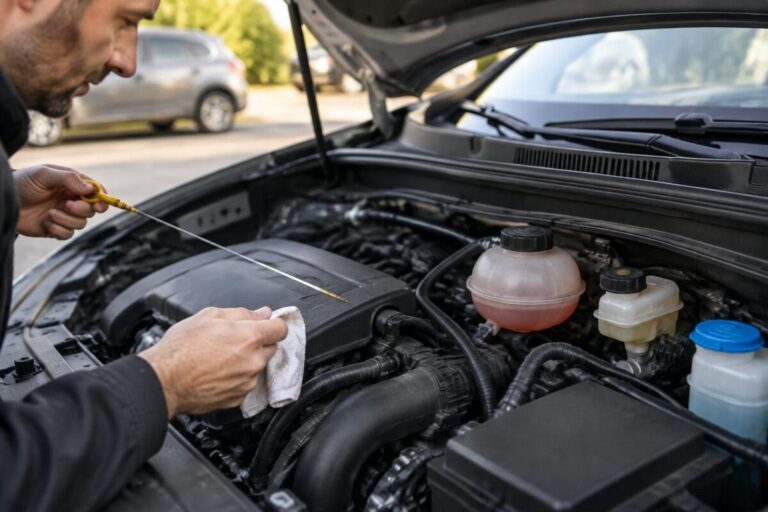
- Check the visible fluid levels and watch for any repeated drops.
- Get two comparable estimates for costly work.
- Have a warning light, unusual noise, or new vibration checked promptly.
Why misplaced savings cost more
Putting off a service can seem like a way to reduce this month’s bill. But degraded oil, a clogged filter, or tire pressure that is too low can accelerate premature wear and lead to costly repairs.
Fuel is also a factor: a poorly maintained vehicle may use more fuel, depending on its condition and how it is driven. Saving a few cents at the pump does not always make up for an avoidable breakdown or ongoing excess fuel consumption.
A simple example: if a service reveals a very dirty filter and underinflated tires, addressing these two issues can improve overall performance. The exact benefit depends on the model, mileage, and existing faults; the important thing is to address the cause, not count on guaranteed savings.
Things you shouldn’t put off
| Item to check | Why take action | Useful habit |
|---|---|---|
| Tires | Pressure and wear affect handling, fuel consumption, and braking. | Check monthly and before a long trip. |
| Engine oil change | Oil that is unsuitable or too old provides less protection for internal components. | Follow the oil specification and interval recommended for your vehicle. |
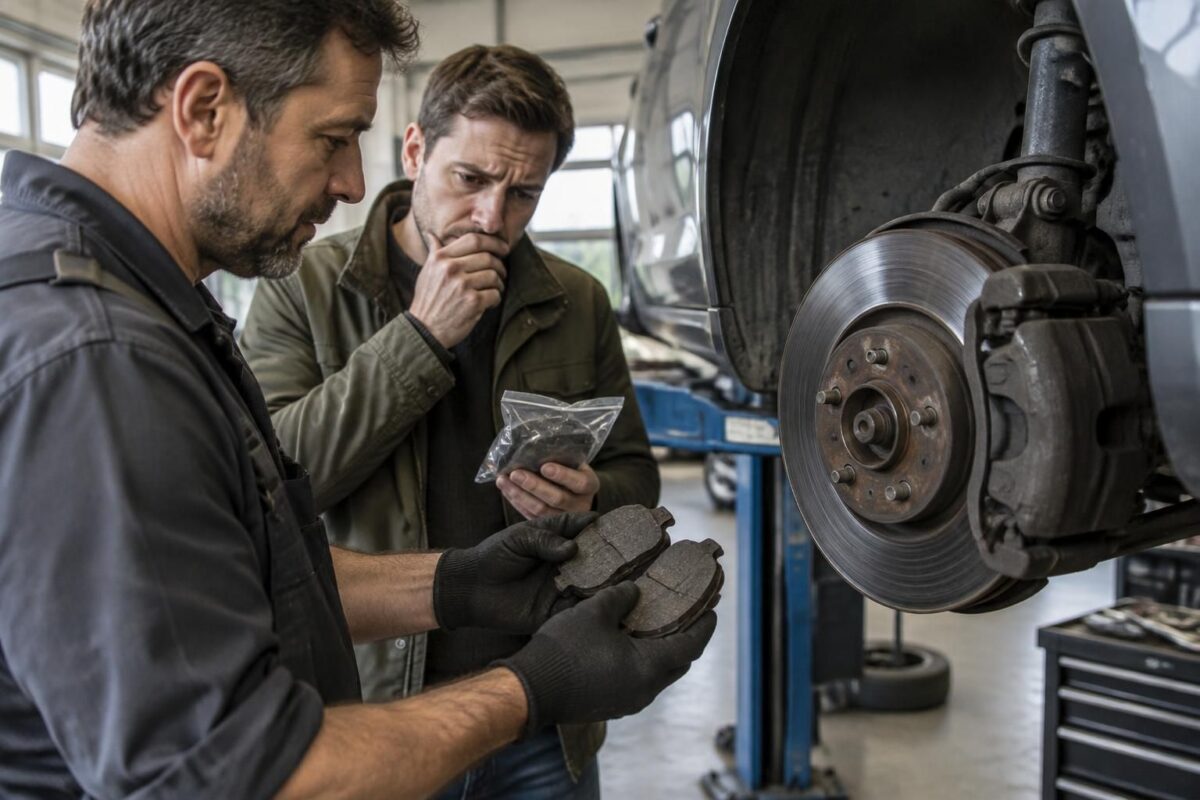
| Brakes | A noise, vibration, or unusual pedal feel may indicate an issue that needs attention. | Have the system checked promptly. |
| Timing belt and cooling system | A missed replacement interval or a leak can cause serious damage. | Check the maintenance log and have any drop in fluid levels diagnosed. |
Preventive maintenance: three steps to avoid a surprise bill
Preventive maintenance doesn’t mean replacing parts at random. It means following service intervals, spotting signs of wear, and making decisions about repairs based on clear information.
- Step 1: note the service intervals. Open the maintenance log and note the next service, fluid checks, tires, brakes, and timing belt replacement.
- Step 2: look for signs. Check the tire pressure, lights, and visible fluid levels. Make a note of slow starts, warning lights, vibrations, or new noises.
- Step 3: compare before agreeing. Ask for an estimate that details the labor, the quality of the parts specified, and the work included. For a major repair, getting a second opinion may help.
If a warning light comes on or the brakes feel different, have the car checked without delay. If it’s just time for routine maintenance and the vehicle is running normally, schedule an appointment rather than putting it off indefinitely.
Simple checks that help you avoid overlooking things
Tire pressure should preferably be checked when the tires are cold, following the manufacturer’s recommendations rather than choosing an arbitrary value. For more details, see these tips on tire pressure before setting off.
A dirty filter doesn’t always mean there’s an urgent problem, but it’s worth checking if fuel consumption increases or maintenance is overdue. This guide helps you tell a clogged filter from a concerning warning light.
Don’t replace a complex part yourself if you don’t have the tools or skills you need. A poorly done repair can cost more than the labor you save.
Estimates and parts: save without compromising safety
You can only compare two estimates if they cover the same work. Check the part numbers, labor details, and included consumables; a low price may hide an incomplete service.
Prices vary depending on the garage, region, and vehicle. Getting several quotes for the same scope of work helps you make a better-informed choice without automatically choosing the cheapest part, especially for tires and brakes.
A new vibration shouldn’t be treated as a mere annoyance: it could come from a tire, a wheel, or a mechanical component. Find out when a vibration needs to be checked and have the car inspected if it persists.
Preventing premature wear in everyday driving
Smooth driving helps preserve your tires, brakes, and certain drivetrain components. Anticipate slowdowns, avoid sudden acceleration, and remove unnecessary items from the trunk; each of these steps reduces strain without requiring any special equipment.
Before the vehicle inspection, check the tires, lights, windshield wipers, and for any visible signs of leaks. A quick check doesn’t replace a diagnosis, but it may reveal a problem before it turns into an urgent repair.
If you’ve already put off a service, don’t keep delaying it out of habit: leaving too much time between services can allow issues to develop that could have been spotted sooner. A small noise or a leak should also be taken seriously before things get worse.
Frequently asked questions about saving on car maintenance
Can you reduce maintenance costs without taking risks?
Yes. Follow service intervals, carry out simple checks yourself, and compare detailed estimates. Don’t put off work related to the brakes, tires, cooling system, or timing belt.
How often should you check tire pressure?
A monthly check is a good rule of thumb, as well as checking before a long trip. Measure tire pressure when the tires are cold and follow the values specified by the manufacturer.
Should you always choose the cheapest parts?
No. For safety-related components, choose compliant, traceable parts. Compare the price with the quality, compatibility, and warranty offered.
What should you do if a warning light comes on after a service?
Consult the vehicle manual and get a diagnosis promptly, especially if the warning light is flashing, the engine is running poorly, or the brakes feel different. Don’t ignore a persistent warning.
Thanks for your interest; Nathan