Vehicle Maintenance: The Right Thing to Do Before It Gets Worse
Hello, Nathan here. Before it gets worse, check the warning lights, fluid levels and tires, then have any unusual noise or vibration checked promptly. The right thing to do is act at the first sign of trouble and follow the manufacturer’s maintenance schedule. A few minutes of checking can prevent a breakdown, an expensive car repair or a risk on the road.
WHAT TO DO NOW
- Check whether a warning light is on and consult the manual before setting off again.
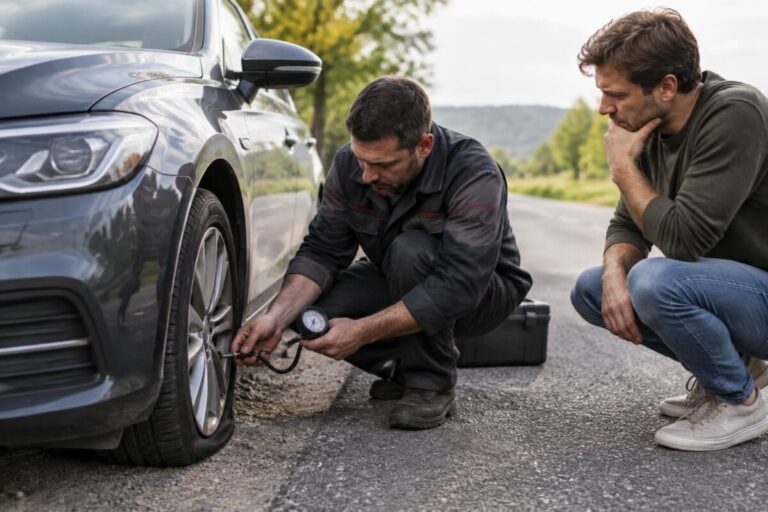
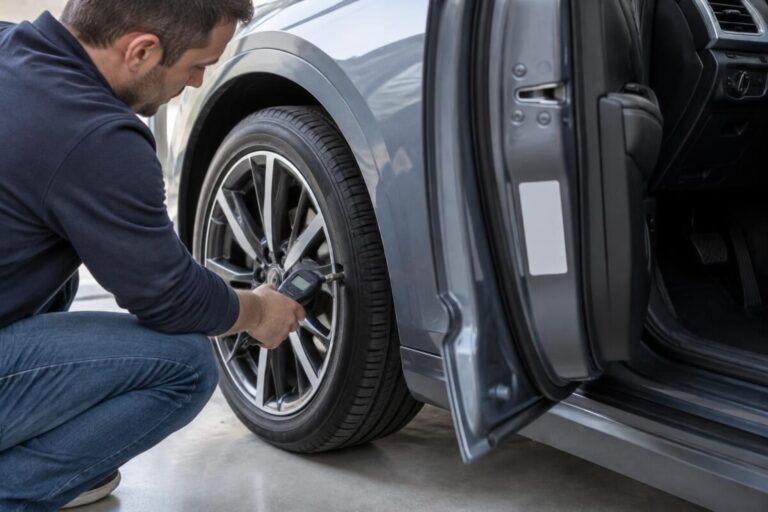
- Check tire pressure when the tires are cold, especially before a long trip.
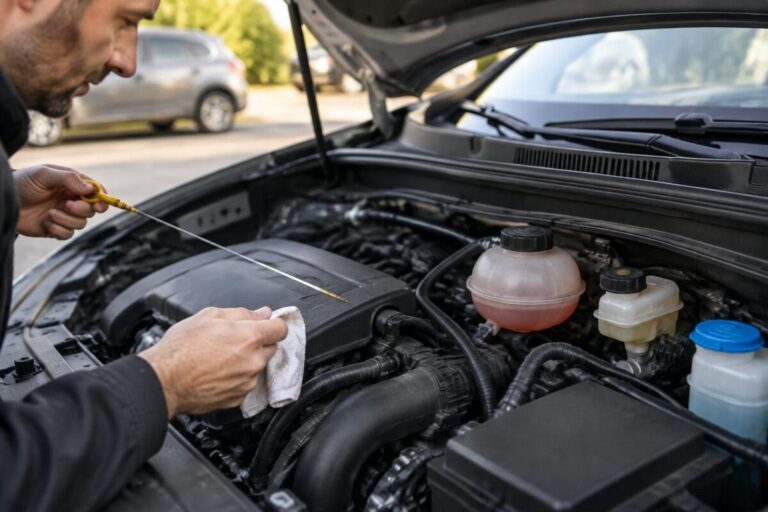
- Check the oil, coolant and windshield washer fluid levels.
- Make a note of any noise, vibration, smell or change in the car’s behavior.
- Compare your next vehicle service with the dates in the maintenance log.
Vehicle maintenance: spot the signs before a breakdown
A car can go more than ten years without any major problems, but its age doesn’t tell the whole story. Repeated short trips, hard acceleration when the engine is cold and postponed services can speed up wear, even in a recent vehicle.
A warning light is not decorative. If a red warning light appears, stop as soon as conditions allow and consult the manual. If an amber warning light appears, have the vehicle checked promptly: continuing to drive can sometimes make the problem worse, especially if the engine or emissions control system is involved.
Noises and vibrations also deserve your attention. A shaking steering wheel, a clunk when braking or a burning smell don’t always indicate a serious breakdown, but an early mechanical inspection can help identify the cause. You can also find situations to watch for in this guide to vibrations that shouldn’t be ignored.
Preventive maintenance: the checks that matter
The manufacturer’s maintenance schedule remains the best guide for engine oil changes, filters, brakes and timing-related maintenance. Intervals vary depending on the model, engine and use: don’t replace a specific service interval with a general rule you happen to find.
Worn oil does a poorer job of protecting internal parts. If you mainly drive in the city, with frequent starts and short trips, consult the manual: some types of use may call for more frequent maintenance. Oil and other fluids must also meet the vehicle’s specifications. A product that’s “almost equivalent” isn’t always suitable.
| Check | Best practice | What you can spot |
|---|---|---|
| Tires | Check the pressure about once a month and before a long trip. | Underinflation, cuts or uneven tire wear. |
| Fluid levels | Check them regularly, with the engine off and according to the manual’s instructions. | A repeated drop may indicate a leak. |
| Warning lights | Read the manual and have a persistent warning checked. | An issue that needs diagnosing before it gets worse. |
| Bodywork and underbody | Rinse exposed areas after driving on salted roads. | Accumulated dirt or early signs of corrosion. |
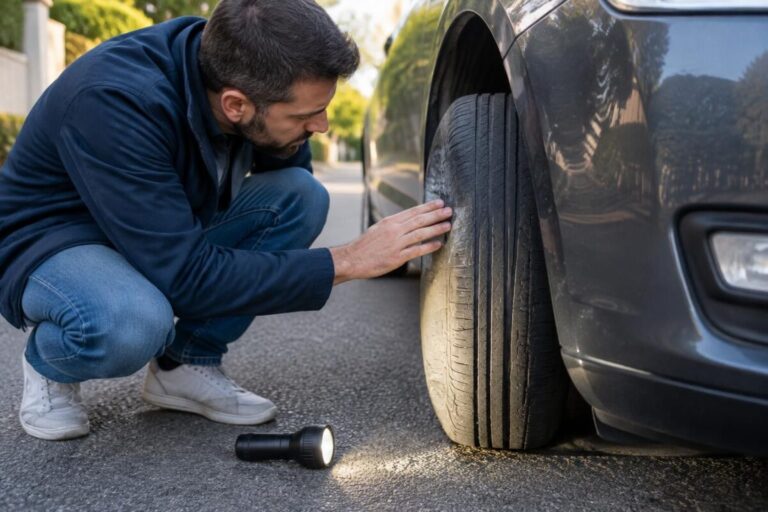
Correct tire pressure contributes to road handling and limits premature wear. Before setting off, you can read these tips on tire pressure before a trip. For tire rotation, follow the manufacturer’s recommendations or ask a professional for advice: it isn’t equally suitable for all configurations.
Smooth driving and suitable parts: protect your car’s mechanics
When the engine is cold, avoid hard acceleration: the oil needs time to circulate and protect the engine properly. Steady driving, with gradual braking and good anticipation, puts less strain on the brakes, tires and transmission.
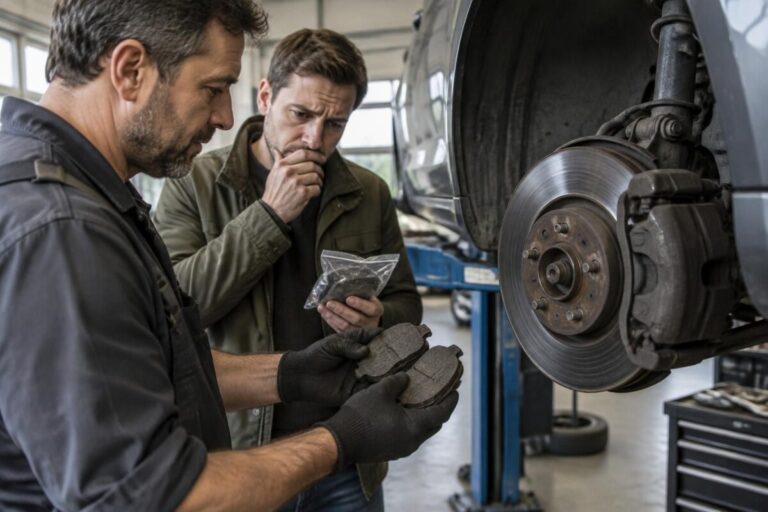
When driving downhill, avoid keeping your foot on the brake pedal continuously. Use an appropriate gear to help slow down without letting the brakes heat up unnecessarily. This habit reduces brake wear, especially on a long descent.
Also, keep enough fuel in the tank to avoid frequently driving with it nearly empty. Depending on the vehicle’s design, a very low fuel level can put extra strain on the pump and encourage it to draw in deposits. For oils, fluids and parts, check the specified references: saving money on an unsuitable product can cost more later.
Vehicle diagnostics: act without delay
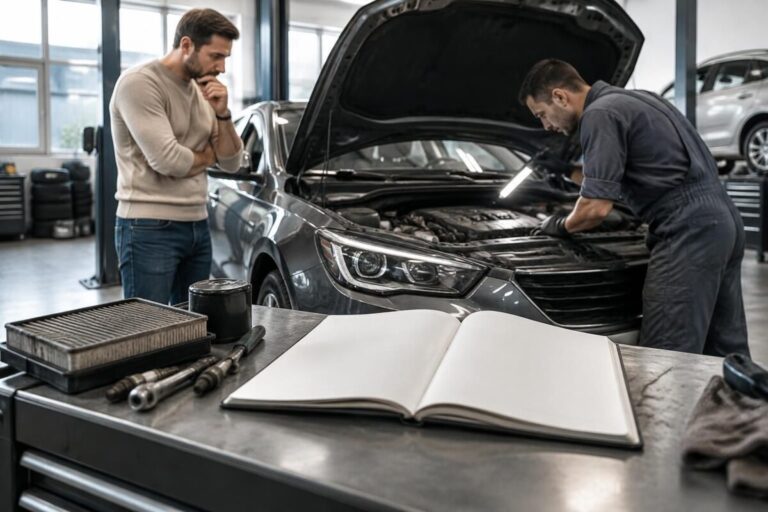
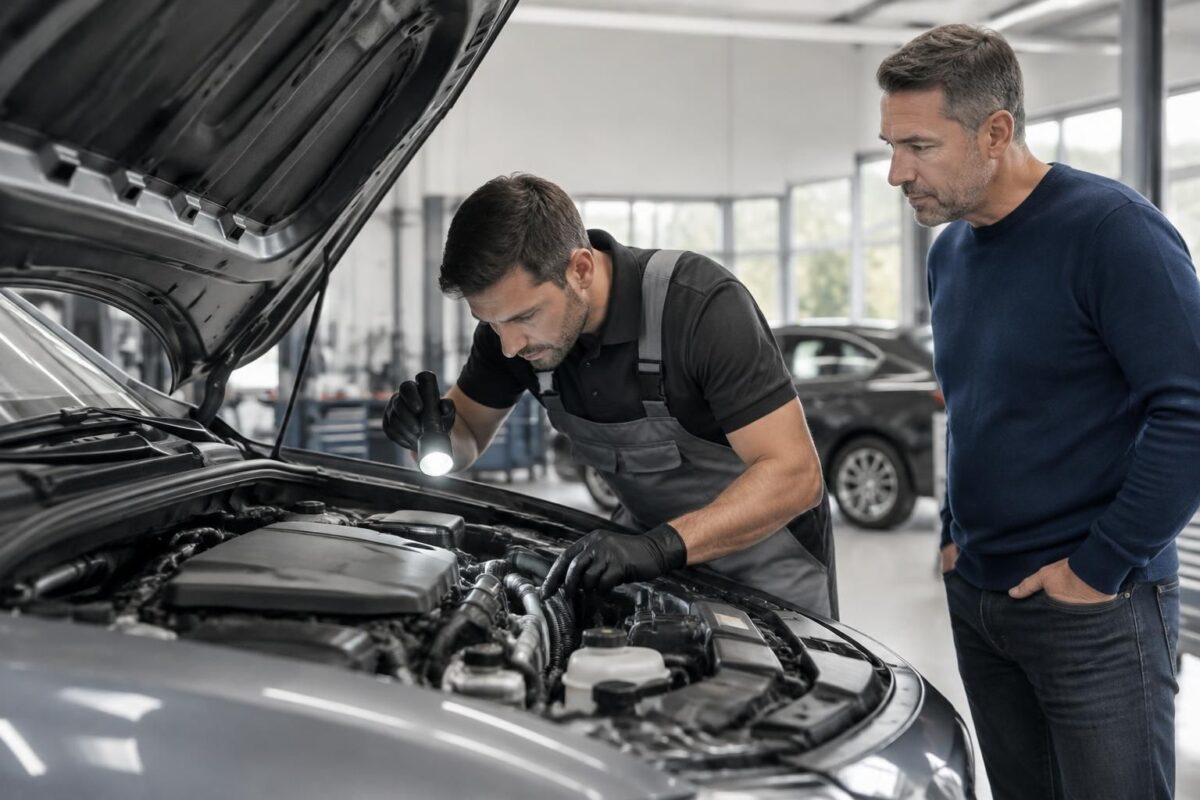
Vehicle diagnostics can help identify the cause of a symptom before it leads to related damage. This doesn’t mean replacing every part at the first noise, but having changes checked and describing the problem precisely to the garage.
If the red warning light comes on or the engine overheats: stop as soon as you can do so safely. Turn off the engine if the manual recommends it, and never unscrew the coolant cap while the engine is hot.
If a vibration occurs without a warning light: note the speed at which it happens and whether it changes when braking or turning. Avoid long trips before having it checked if the vibration gets stronger or affects your ability to drive.
A simple three-step process
- Step 1: Observe the symptom. Note the warning light, noise, smell or when the car’s behavior changes.
- Step 2: Check only items that are accessible and safe to inspect, such as tire pressure or a fluid level that can be checked according to the manual.
- Step 3: Make an appointment if the sign persists, gets worse or affects the brakes, steering or engine. A professional can carry out the necessary checks.
One small practical detail: after driving on a salted road, rinsing the underbody is often forgotten. Yet this helps limit the buildup of salt and dirt on exposed parts.
Frequently asked questions about car maintenance
How often should you check tire pressure?
About once a month and before a long trip, when the tires are cold. Follow the pressure specified by the manufacturer, which may vary depending on the load and the vehicle.
Can you keep driving with an amber warning light on?
It depends on the warning light and how the car is behaving. Consult the manual and have the warning checked promptly, especially if a noise, loss of power or overheating occurs.
Should you change the oil more often if you drive in the city?
Short trips and frequent starts can put strain on the engine. Check the manufacturer’s recommendations based on how you use the vehicle, rather than following a universal interval.
Which signs call for a prompt inspection?
A new noise, vibration, burning smell, leak or persistent warning light calls for an inspection. Acting early helps prevent breakdowns and supports road safety.
Thank you for your interest; Nathan