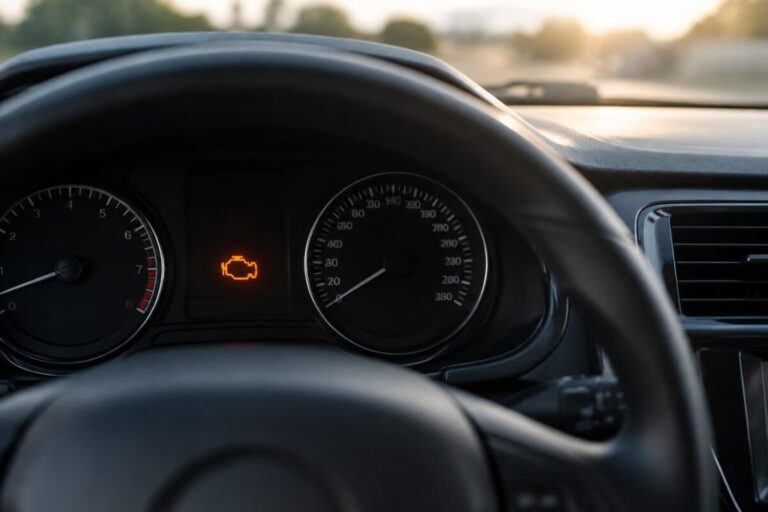

Car engine warning light: 6 useful steps before going to the garage
Hi, Nathan here. Before heading to the repair shop, check whether the check engine light is steady or flashing, observe how the car behaves, and note the symptoms without clearing the fault code. A steady light with the engine running normally will often allow you to drive gently to a nearby repair shop. If it flashes, the engine temperature rises, or smoke appears from the exhaust, stop as soon as you can do so safely.
WHAT TO DO NOW
- Check the warning light: note whether it stays on steadily or flashes. A red warning light or another serious alert means you should stop as soon as possible.
- Look and listen: check for loss of power, unusual engine noise, vibrations, or a fuel smell.
- Check the fluid levels: with the engine cold, check the oil and coolant. Never open the coolant expansion tank when hot.
- Check the fuel cap: especially if the warning light came on after refueling. Make sure it is properly closed and its seal is not damaged.
- Note useful details: record the symptoms and circumstances and, if you have one, the code read with an OBD reader. Pass this information on to the repair shop.
Steady or flashing check engine light: assess the urgency
A steady amber warning light indicates a fault that needs diagnosis. If the car is running normally, with no smoke, unusual noise, or overheating, you can often drive a short distance at a moderate speed to reach a repair shop. Avoid hard acceleration and arrange a vehicle diagnostic promptly.
A flashing warning light is more concerning: it can accompany engine misfires that may damage the catalytic converter. Slow down, leave the highway as soon as possible, and turn off the engine in a safe place. If the car is misfiring or has lost a lot of power, call for roadside assistance rather than continuing to the repair shop.
| Warning observed | Recommended response |
|---|---|
| Steady amber warning light, normal driving | Drive gently for a short distance and arrange an inspection |
| Flashing check engine light, engine misfiring | Stop as soon as possible and request assistance |
| Red warning light, heavy smoke, or rising temperature | Pull over safely, turn off the engine, and do not continue driving |
| Significant loss of power | Avoid highways and limit the journey to what is strictly necessary |
Road safety comes before diagnosis: do not handle your phone while driving, and do not stop in a dangerous location. To decide whether you can continue your journey, also see this advice on driving with the check engine light on.
Six useful things to do before visiting a repair shop
1. Check whether the warning light is steady or flashing
Look at the dashboard as soon as you can do so without taking your attention away from the road. A steady warning light with no other symptoms does not call for the same response as a flashing light accompanied by vibrations: in the latter case, avoid putting strain on the engine.
2. Check the fuel cap
After refueling, a loose cap or worn seal can affect the fuel system’s seal and trigger a warning light. Tighten it properly, but do not expect the light to go out immediately: depending on the model, the engine control unit may need several drives to reassess the fault.
3. Check the fluid levels and exhaust smoke
A rapid drop in coolant, an abnormally low oil level, or heavy smoke requires urgent attention. If the temperature rises, white or blue smoke persists, or you smell burning oil, stop and ask for advice before setting off again.
4. Note how the car feels and the circumstances
Was the engine idling, accelerating, or had you just refueled? Also note any vibrations, noises, unusual fuel consumption, and any loss of power. These details help the mechanic distinguish an intermittent fault from a persistent problem.
5. Read the OBD code without clearing it
An OBD reader can display a useful code, such as a P0300-family code related to misfires. This code helps guide the diagnosis, but does not always identify the part that needs replacing. Write it down or take a photo of the screen, then avoid clearing the warning before the inspection: the fault may still be present even if the light temporarily goes out.
If the warning light comes back after being cleared, the cause probably has not been fixed. Here’s why the check engine light may come back on and why clearing it alone is no substitute for a repair.
6. Prepare the information for the repair shop
Gather the OBD code, the date the warning light came on, any recent work, and the symptoms you observed. This means you will not have to start from scratch at the service desk, and the repair shop can plan its checks without relying solely on the dashboard warning light.
A simple three-step process
- Step 1: get to a safe place, identify the warning light, and check the engine temperature, exhaust smoke, and how the car is behaving.
- Step 2: once the vehicle is stopped and has cooled down, check the fuel cap and any fluid levels you can safely access. Do not touch hot parts.
- Step 3: note the symptoms and read the OBD code if you have the equipment. Call the repair shop to confirm whether the vehicle can be driven or needs to be towed.
Two common situations to tell apart
If the warning light is steady and the car is running normally: limit acceleration, monitor the warnings, and make an appointment promptly. A few simple checks may sometimes help you avoid going straight to an expensive repair; you can also read these checks to do before you panic.
If the warning light is flashing and there are vibrations or heavy smoke: stop as soon as the situation allows and request assistance. Continuing to drive may worsen damage to the engine or emissions control system.
Before setting off again, keep these guidelines in mind
A check engine light is a warning, not a complete diagnosis. The right approach is to consider its status alongside concrete signs: temperature, engine noise, smoke, smell, and how the car is behaving. If you have any safety concerns, it is better to stop and seek professional advice than to take a chance on the road.
Can you drive with a steady check engine light?
Often, yes, for a short distance if the engine is running normally, the temperature remains stable, and no other symptoms appear. Drive gently and arrange a vehicle diagnostic promptly.
What should you do if the check engine light is flashing?
Slow down, leave the highway as soon as possible, and stop in a safe place. A flashing light can indicate misfires that may damage the catalytic converter; request assistance if the engine is misfiring.
Can a loose fuel cap turn on the warning light?
Yes, on some vehicles, a fault in the fuel system seal can trigger the warning light. Tighten the cap properly, then monitor the warning; if it persists, have the fault code read.
Should you clear the OBD code before going to the repair shop?
No, it is better to note the code and leave it available for diagnosis. Clearing the warning without fixing its cause may temporarily hide the problem, which could come back.
Thanks for your interest; Nathan