Car repair: Underinflated tires mimic a breakdown
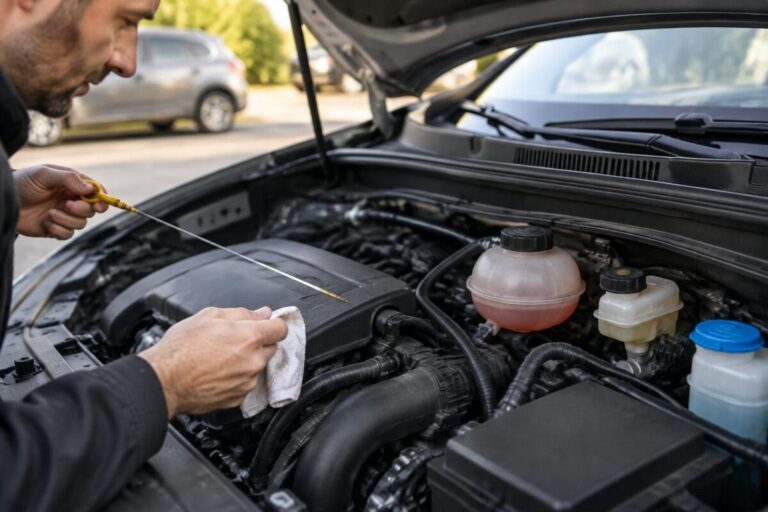
Hi, Nathan here. Incorrectly inflated tires can mimic a breakdown: check their pressure when cold and adjust it according to the manufacturer’s label. Pressure that’s too low can make the car feel underpowered and cause excessive fuel consumption. Too high, and it reduces contact with the road and makes the ride harsher over bumps. Before getting a car diagnosed, this quick check can sometimes save you from looking under the hood.
WHAT TO DO NOW
- Park the car on level ground and check the tires when cold, before driving or after the car has been parked for several hours.
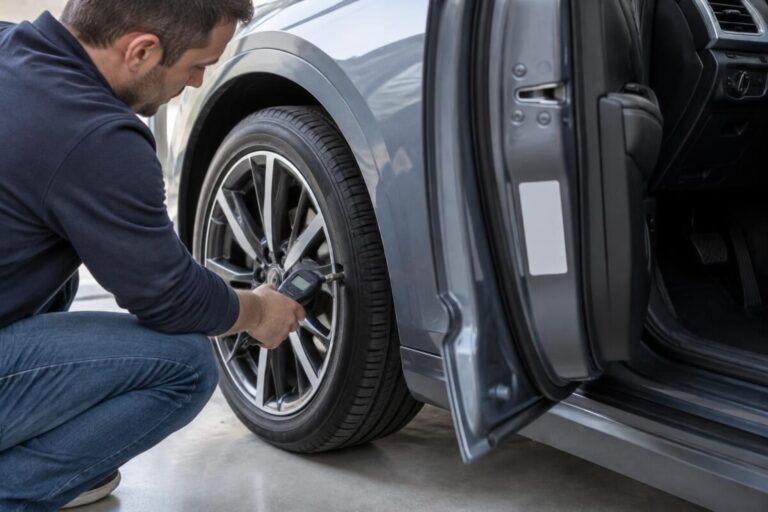
- Read the recommended pressure on the driver’s door label or inside the fuel filler flap.
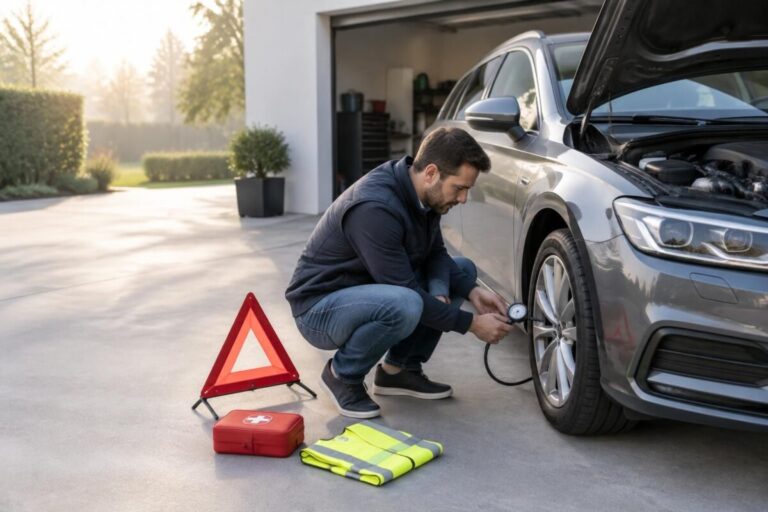
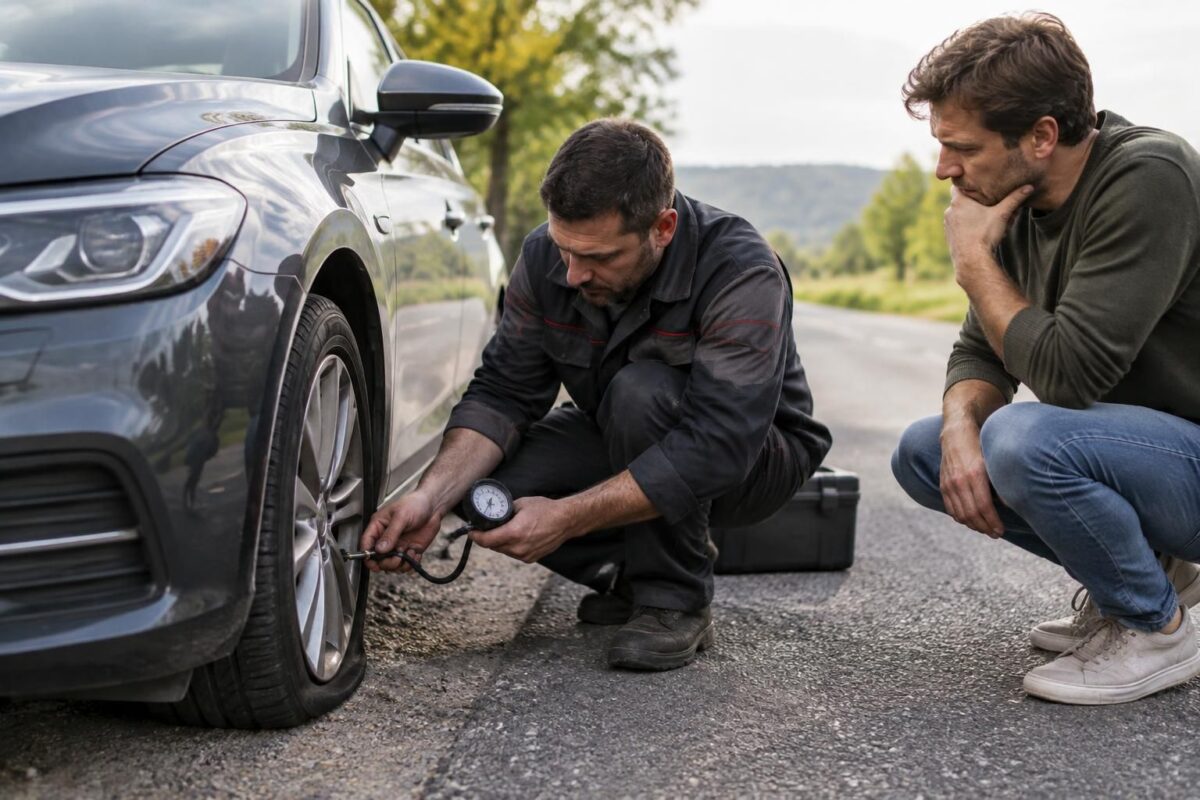
- Measure all four tires with a pressure gauge, and don’t forget the spare if you have one.
- Adjust each tire to the specified pressure, taking the load recommendations into account if the car is fully loaded.
- If the tire pressure warning light stays on after adjustment, check the tires again and have the system inspected if necessary.
Why incorrectly inflated tires can feel like a breakdown
An underinflated tire deforms more and creates greater rolling resistance. The car may feel less responsive when accelerating, even though the engine is working normally. This increased resistance can also raise fuel consumption.
An overinflated tire, on the other hand, doesn’t conform as well to road irregularities. The contact patch may shrink, which reduces grip, especially on wet or damaged roads. The driver may feel more vibrations and mistake this for a suspension problem.
Signs to compare before looking for a breakdown
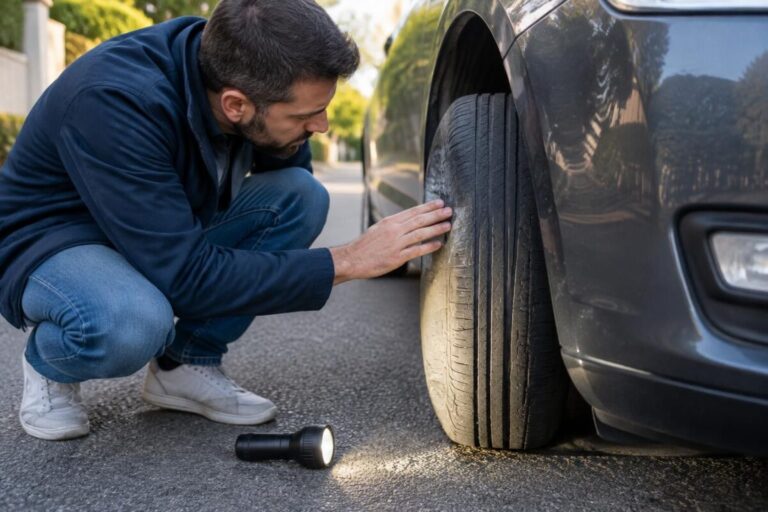
Uneven wear can be a useful clue: excessive pressure can cause more wear in the center of the tread, while underinflation can cause more wear along the edges. However, this alone isn’t enough to diagnose the problem, as wheel alignment or the suspension could also be at fault.
If the car pulls to one side, vibrates, or doesn’t brake as well, don’t jump to the conclusion that there’s an engine problem. Checking the tires is a simple first step in any car repair. To spot other signs to look out for, see these quick tire checks.
Tire pressure: the right guidelines to avoid a false diagnosis
Pressure should be measured when the tires are cold, as it increases after driving. Compare the gauge reading with the manufacturer’s recommendations, not the maximum pressure printed on the tire’s sidewall: that figure isn’t the usual inflation recommendation.
A tire pressure warning light is useful, but it doesn’t replace a manual check. Depending on the system installed, it may only alert you to a significant difference or take a little while to respond. To understand the link between an engine that feels sluggish and your tires, you can also read this article about loss of acceleration caused by tire pressure.
| What you notice | Possible cause | First check |
|---|---|---|
| Car feels less responsive, fuel consumption is up | Underinflated tires or a brake that is slightly sticking | Cold tire pressure and wheel inspection |
| Harsh ride, bumps feel more pronounced | Overinflated tires or worn shock absorbers | Recommended pressure and suspension condition |
| Marked wear in the center of the tread | Pressure often too high | Pressure gauge reading and tire inspection |
| More noticeable wear along the edges | Pressure sometimes too low, or alignment needs checking | Pressure, then wheel alignment if the problem persists |
Correcting tire pressure without causing another problem
Step 1: park the car on a level surface and check the pressure in all four tires when cold. Note the readings before touching the valves, especially if the pressures vary from one wheel to another.
Step 2: inflate or deflate the tires in small increments until they reach the pressure specified by the manufacturer. If you’re using a gas station air pump, check the setting on the display: some devices are less accurate or may not be well maintained.
Step 3: screw the valve caps back on and check the pressure again after a few days. If a tire is losing air, have the valve, tread, and rim inspected rather than repeatedly topping it up.
A common mistake is to adjust the pressure just after a long drive, then let air out because the reading seems high. The tire is hot: wait for it to cool and take the reading again when cold. For long journeys, this reminder of signs to check before taking the highway can help you decide whether a professional inspection is a better choice.
Two situations where tire pressure isn’t the whole story
If the car feels sluggish and uses more fuel… check the pressure first, especially after a change in temperature or a long period without checking it. If it’s correct and the symptom persists, a professional can look for another mechanical cause.
If the steering wheel vibrates or the wear remains uneven… don’t limit yourself to checking the inflation. Wheel balancing, alignment, or a suspension component could be at fault. Incorrectly inflated tires can sometimes mislead an initial diagnosis, but they shouldn’t mask a fault that persists.
Everyday tire maintenance and road safety
Check the pressure about once a month and before a long trip or carrying a heavy load. The recommended pressures for a loaded car may differ from those for everyday driving: follow the manufacturer’s instructions rather than adding air at random.
Also inspect the sidewalls and tread. A cut, bulge, or repeated loss of pressure warrants a professional opinion. Good tire maintenance won’t fix every breakdown, but it can keep you from mistaking a simple pressure issue for an engine failure and contributes to road safety.
Can incorrectly inflated tires cause a loss of power?
They don’t directly reduce engine power, but underinflation increases rolling resistance and can make the car feel less responsive. Check the pressure when the tires are cold before looking for an engine problem.
How often should you check tire pressure?
In general, check it about once a month, as well as before a long trip or when the vehicle is heavily loaded. Also check the spare tire if you have one.
Can you adjust tire pressure just after driving?
Heat raises the pressure and can distort the reading. Wait for the tires to cool, ideally for several hours, then adjust them to the manufacturer’s recommended values.
What should you do if the tire pressure warning light stays on?
Measure the pressure in all four tires with a gauge and adjust them when cold. If the warning light stays on or a tire is losing air, have the tire and monitoring system checked.
Thanks for your interest; Nathan