Car safety: This choice at the garage could trap you
Hi, Nathan here. The choice that can catch you out is choosing a repair shop solely because its estimate is the cheapest: ask for an itemized estimate and check the parts, labor, and planned safety checks. A low price isn’t necessarily suspicious, but a vague line such as “miscellaneous parts” deserves an explanation. Before handing over your car, also compare recent reviews and the warranties offered.
WHAT TO DO NOW
- Ask for a written estimate that itemizes parts and labor.
- Ask them to specify the brand and part number of the replacement parts being offered.
- Make sure the repair shop calls you before doing any additional work.
- Ask what checks will be carried out on safety-related components.
- Keep the estimate, invoice, and replaced parts if the repair shop can return them to you.
Choosing a repair shop: the cheapest estimate isn’t always the safest
A price difference may be due to different parts, labor time, or included services. So compare what is actually planned, especially for the brakes, tires, steering, and suspension components.
For example, one estimate may include a complete repair, while another only covers replacing one part. Ask whether the price includes diagnostics, installation, and post-repair checks: that’s often what makes comparisons fairer.
A trustworthy repair shop answers without pressuring you and explains the options in simple terms. To better spot risky compromises, also read these tips on low-cost auto parts.
Warning signs that should prompt you to ask questions
A single total with no breakdown, pressure to act urgently, or a part being replaced without your approval are all good reasons to ask for clarification. A clear estimate should explain the planned work and distinguish parts from labor.
An unnecessary repair can drive up the bill; an incomplete repair can compromise road safety. If in doubt, get a second opinion, especially if the diagnosis involves the brakes, steering, or a tire.
Car repair: three steps to avoid an unpleasant surprise
- Step 1 — Describe the problem. Note the noise, warning light, or vehicle behavior, as well as when the symptom occurs. This helps the repair shop pinpoint the issue.
- Step 2 — Get the repair details. Ask for an itemized estimate, details of the proposed parts, and the estimated cost. If another problem is discovered, make clear that you want to be contacted before any additional work is done.
- Step 3 — Check before you leave. Get the invoice and ask what was checked. If the work involved the wheels, brakes, or steering, ask your questions before getting back on the road.
Also keep in mind that car maintenance isn’t just about clearing a warning light. Underinflated tires, for example, can increase braking distance: here are some tips on tire pressure and braking.
Two quick scenarios to help you choose the right response
If the estimate is significantly cheaper: ask which parts are included and whether the price covers installation and related checks. Then compare it with another estimate for the same work.
If the repair shop says the problem is urgent: ask to see the part in question or get a precise explanation, then check whether the vehicle can be driven safely to get a second opinion. If you have any doubts about the brakes or steering, don’t drive.
How can you tell the difference between car safety and a car repair scam?
A high price doesn’t prove there’s a car repair scam, just as a low price doesn’t guarantee a good deal. Look for concrete details: an explained diagnosis, an understandable estimate, approval requested before additional work, and an invoice that matches the repair.
You can also ask whether the parts are new, equivalent, or used, and what warranty applies. This information helps you make an informed choice without confusing savings with a dangerous compromise.
| What to check | Question to ask | Why it’s useful |
|---|---|---|
| Replacement parts | Which brand and part number are being used? | You know what will be installed on your car. |
| Estimate | Does the total include parts, installation, and diagnostics? | You can compare equivalent services. |
| Additional work | Will the repair shop call me before doing it? | You stay in control of your budget. |
| Vehicle inspection | Does this repair address an issue noted during the inspection? | You can link the requested work to the report you received. |
Helpful car care tips before handing over your car
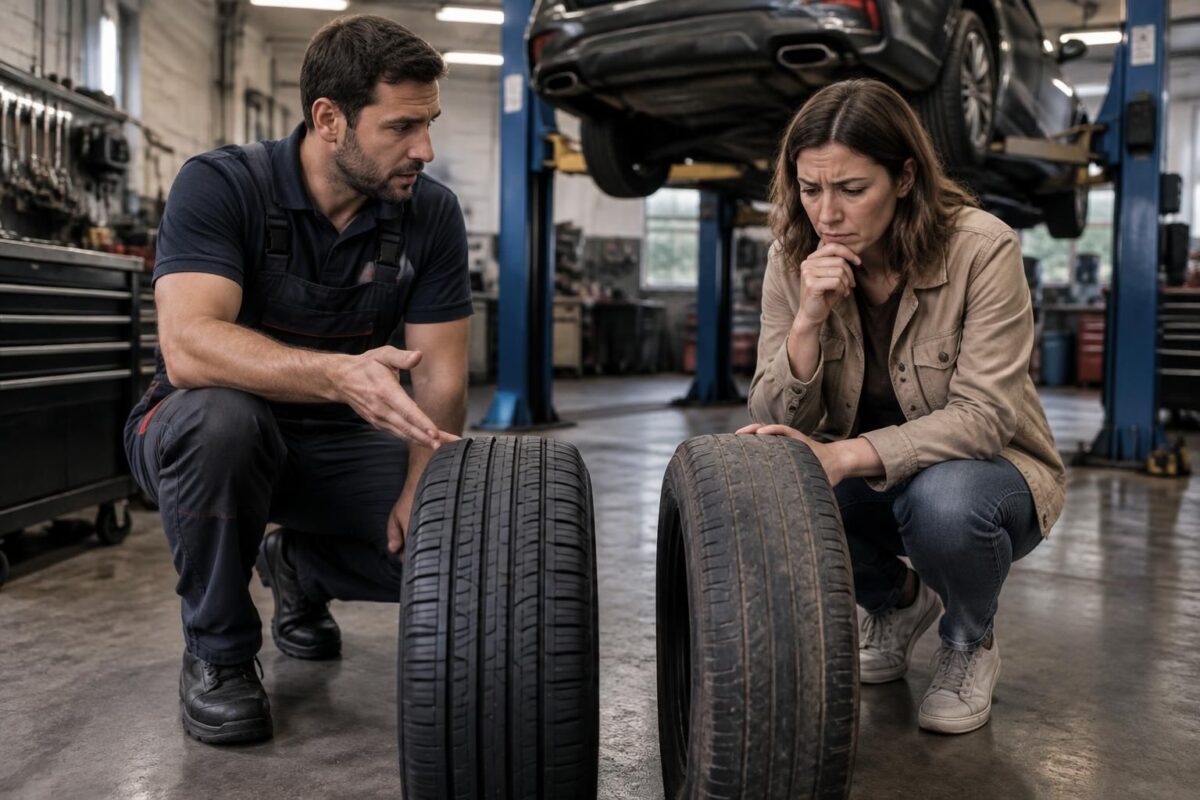
A reputable repair shop doesn’t automatically replace everything that’s worn: it explains the level of wear and the possible consequences of waiting. A simple visual check can sometimes help, but it doesn’t replace a diagnosis when a safety-related component is involved.
For tires, vibrations, or an unusual noise, describe the symptom precisely rather than suggesting the repair yourself. These tips on highway vibrations can help you prepare for a discussion with the mechanic.
Frequently asked questions about choosing an auto repair shop
How do I compare two repair shop estimates?
Check that they cover the same work, then compare the parts, labor, diagnostics, and included checks. Ask for an explanation of any unclear line item.
Can I refuse additional repairs?
Yes, ask to be contacted before any work that wasn’t included in the estimate. Take the time to understand the diagnosis and cost before giving your approval.
Does a repair shop have to offer parts made by the vehicle manufacturer?
Not necessarily. Ask for the part number and type of part being offered, then check that it is suitable for your vehicle and the planned repair.
What should I do if the vehicle seems unsafe after a repair?
Avoid driving if the braking, steering, or handling seems abnormal. Contact the repair shop to explain the symptom and arrange an inspection.
Thanks for your interest; Nathan